Queer, Loud and Proud: A Voice for the Voiceless
Apollo,
Untamed
Creative
he/they/she
August 8, 2025
by Andie Abad Santos
At 20 years old, Phoebe, known in the art scene as Apollo, is already carving out a space where queerness, creativity, and self-expression meet. A Multimedia Arts student at the College of Saint Benilde, they create work that is personal, political, and deeply connected to their own experiences.
Their style is unpolished in the best way. They describe it as sketchy and raw, intentionally imperfect, with themes that often touch on politics, mental health, social issues, and their relationships. Apollo is not interested in following trends just for the sake of it. They draw inspiration from moments, emotions, and ideas rather than committing to a single influence.
“Queer art has always existed, but now it’s becoming more visible and celebrated.
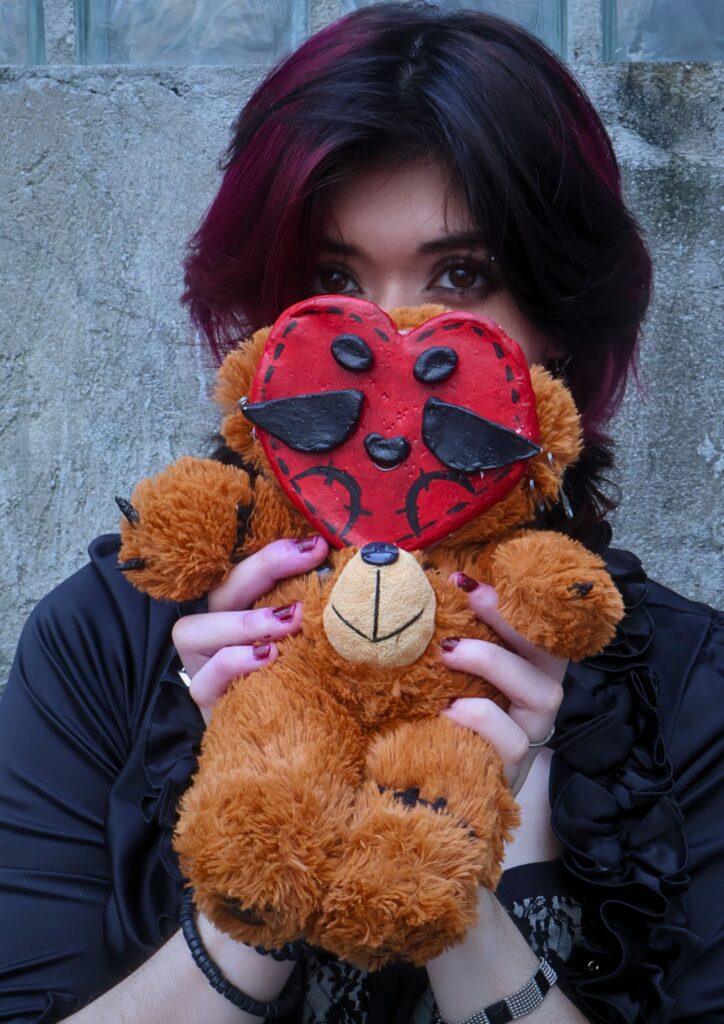
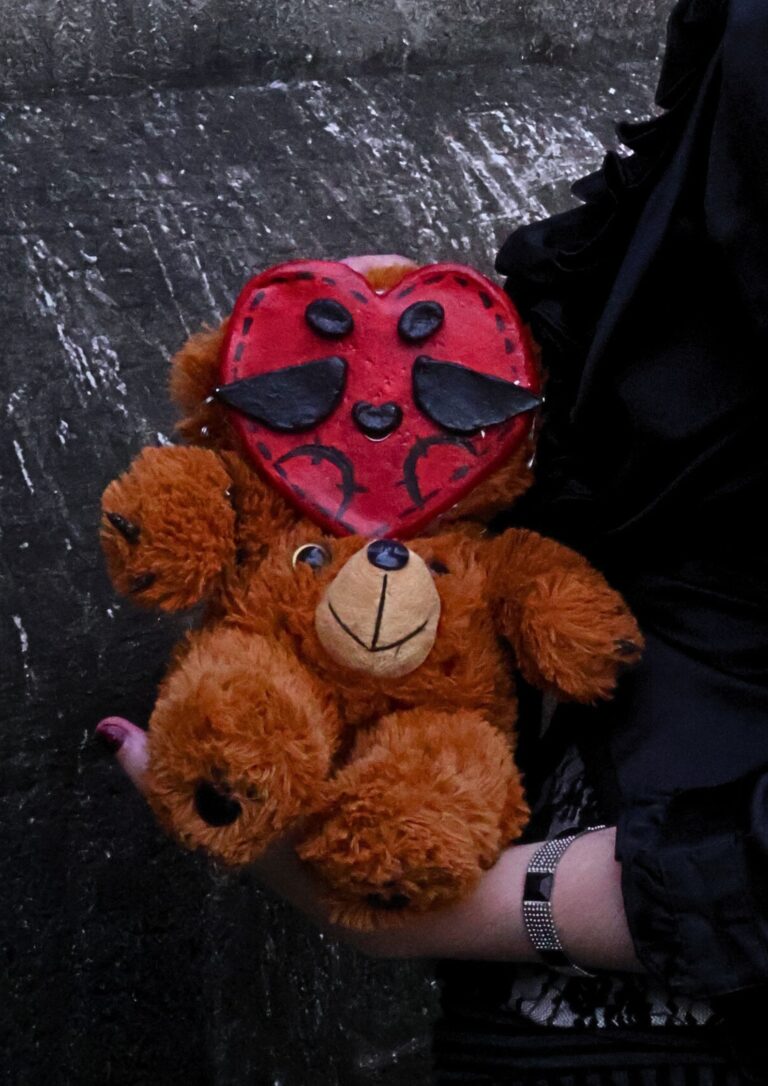
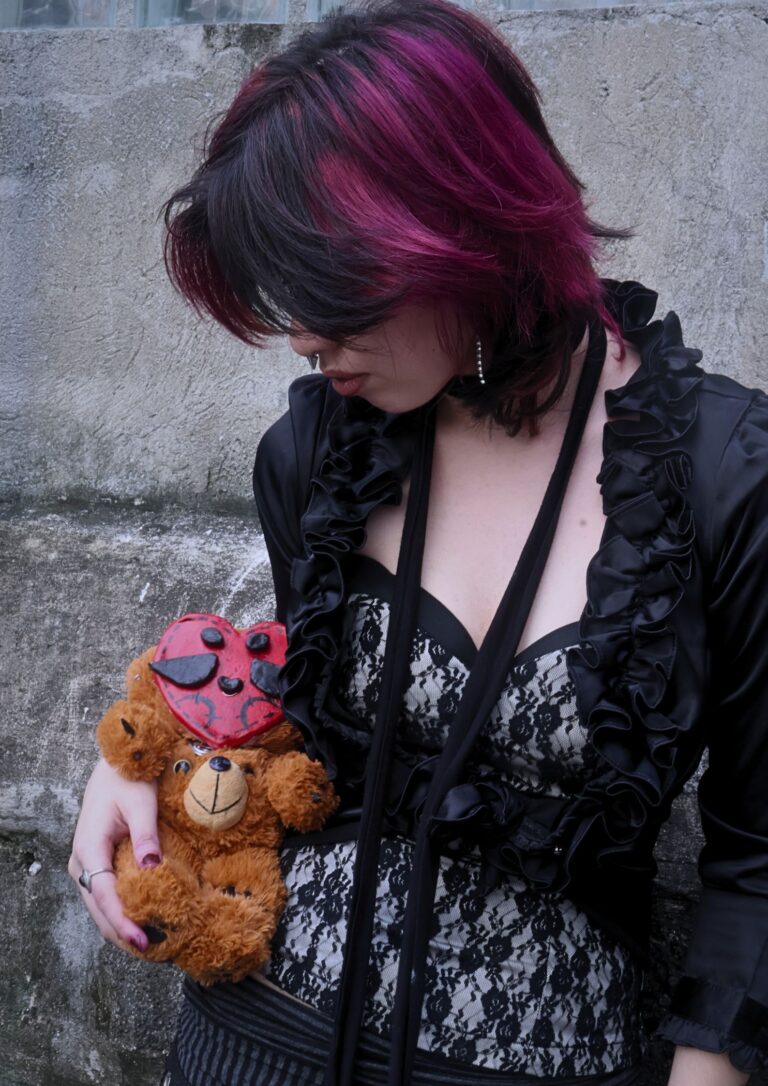
One of their most recognizable creations is the “Clayfaced Rascals” series — handmade plushies with sculpted clay faces. Each one is personalized for the person who orders it, making them unique and sentimental. It’s a mix of craft and storytelling, an extension of their belief that art should be a reflection of both the maker and the audience.
Apollo’s work grows out of their identity as a lesbian and the experiences she has navigated within the LGBTQ+ community. They have faced discrimination, often rooted in religious prejudice, but instead of silencing them, those moments have fueled their creativity. “I channel that hurt into my work,” they say. “Authenticity can be revolutionary.”
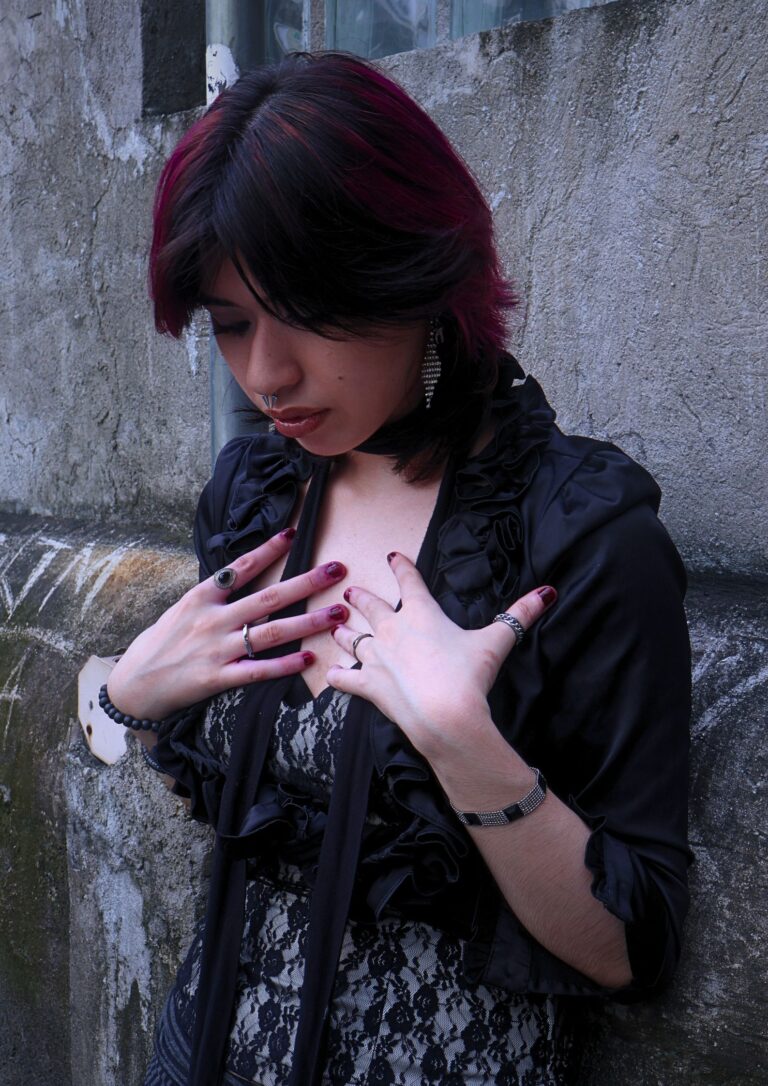
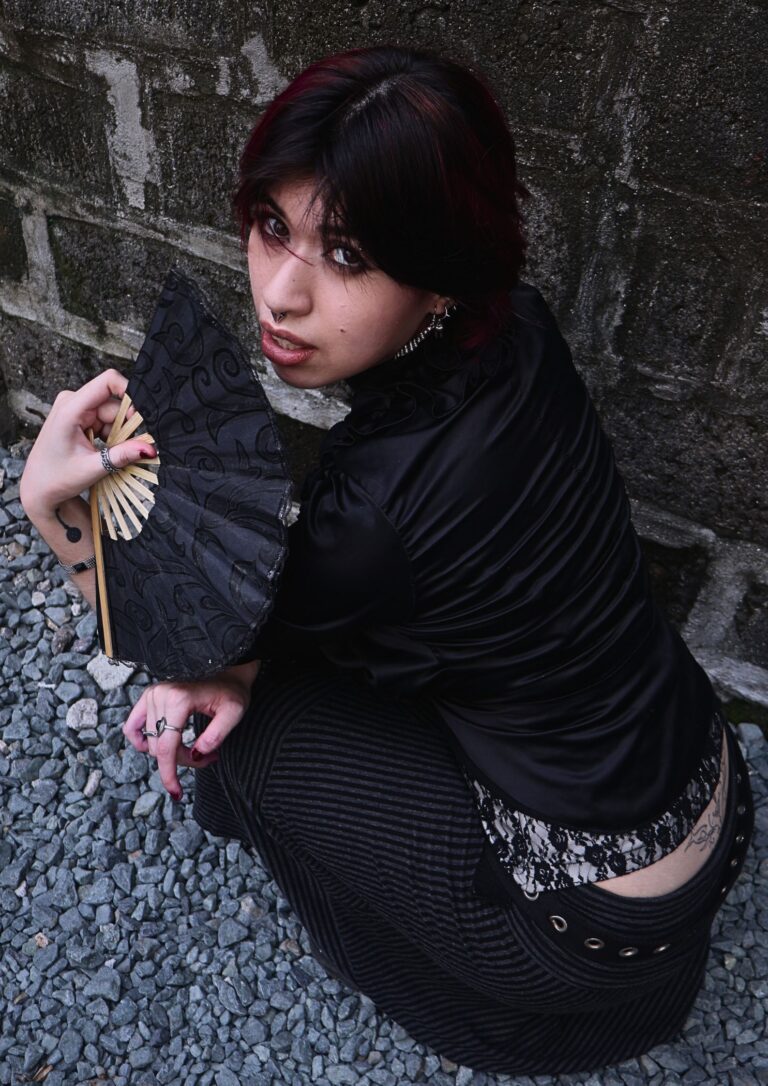
For Apollo, art and fashion are more than hobbies; they are ways to speak without words, to show the world who they are. Fashion, in particular, has given them the freedom to explore parts of their identity they once felt they had to hide. It has also become a quiet form of resistance and a statement of existence in spaces that are not always welcoming.
Queer art in the Philippines has always been present, but Apollo believes it is now more visible than ever. Social media, they say, has given queer creatives a platform to connect and share without relying on traditional gatekeepers. “Our authenticity is our greatest strength,” they say. “It’s something no one else can replicate.”
“Social media has made it easier for queer artists to connect, collaborate, and reach wider audiences without relying solely on traditional gatekeepers. Our authenticity is our greatest strength—it’s something no one else can replicate.”
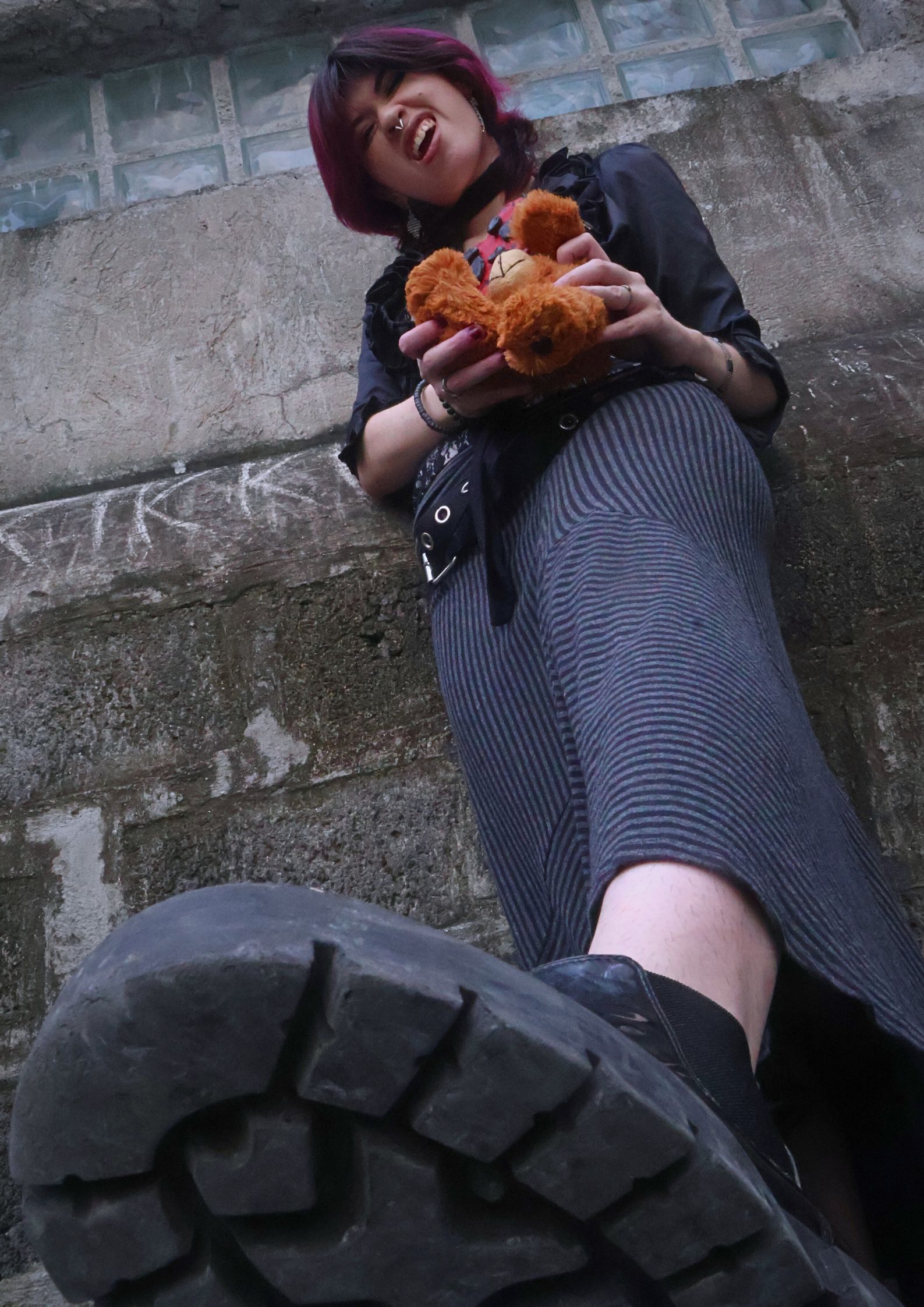
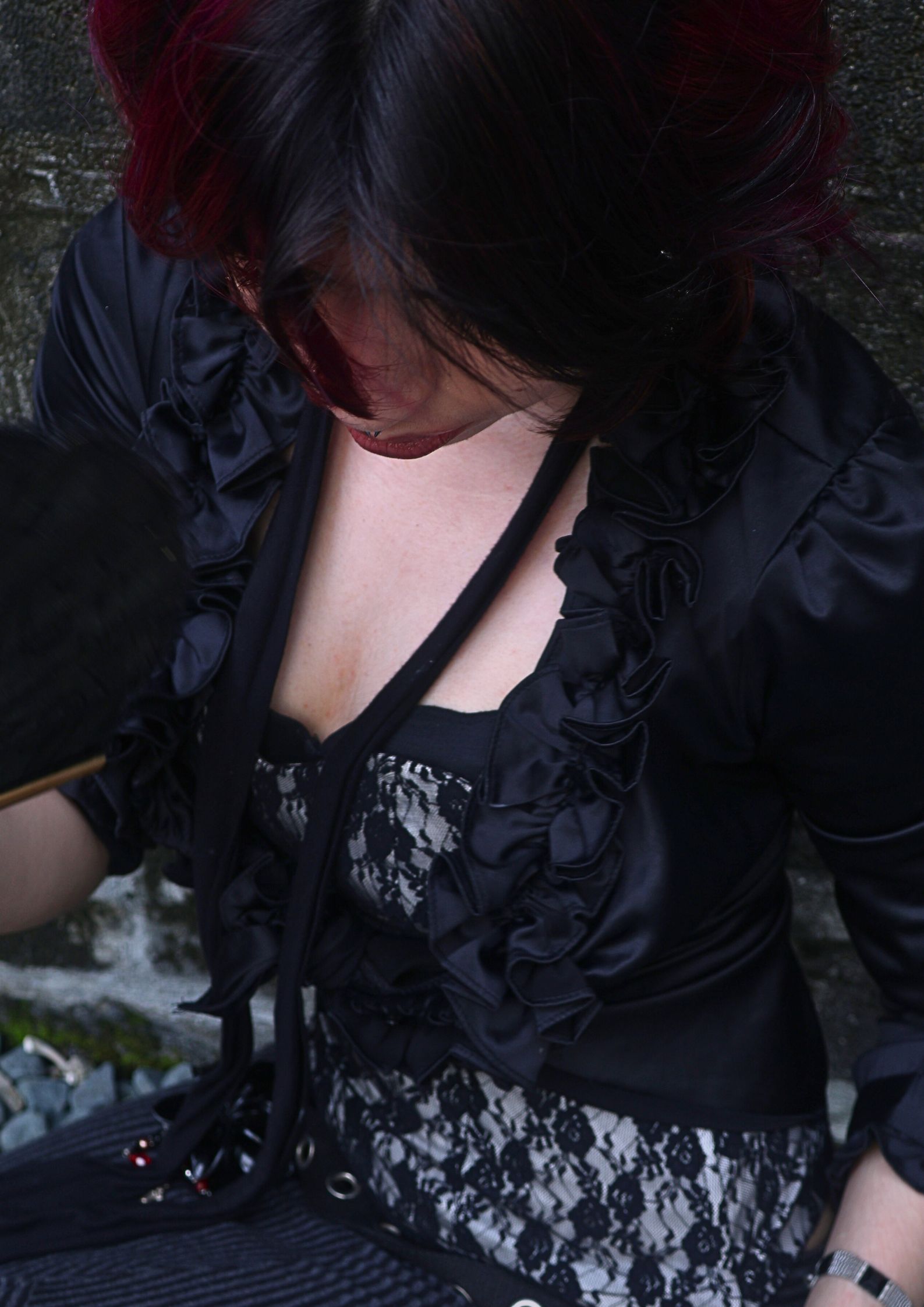
They encourage aspiring queer artists to tap into the free resources the internet has to offer, collaborate with others, and explore sustainable practices through thrifting, repairing, and reusing. Above all, they urge them to take up space and stay true to their voice.
“I incorporate queerness into my work through themes, symbolism, and personal narratives. Even when it’s not overtly political, my art still reflects who I am and the experiences of being queer. It’s important for me to show that our stories and identities deserve to be seen and celebrated.”