Queer, Loud and Proud: A Voice for the Voiceless
Kerosene,
Drag King
he/they
July 29, 2025
by Cayla Santa Cruz
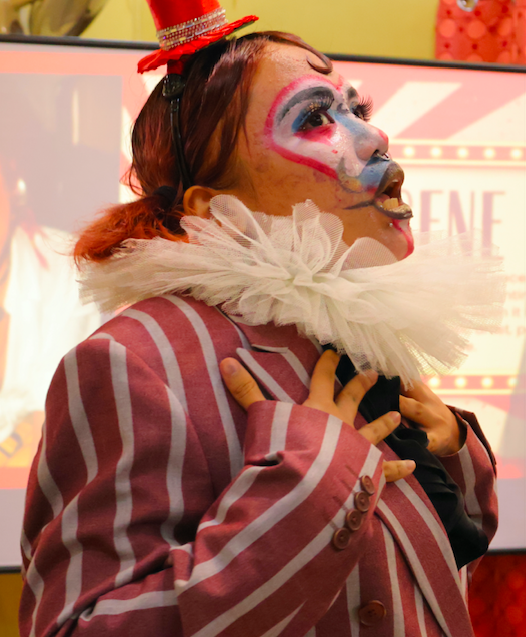
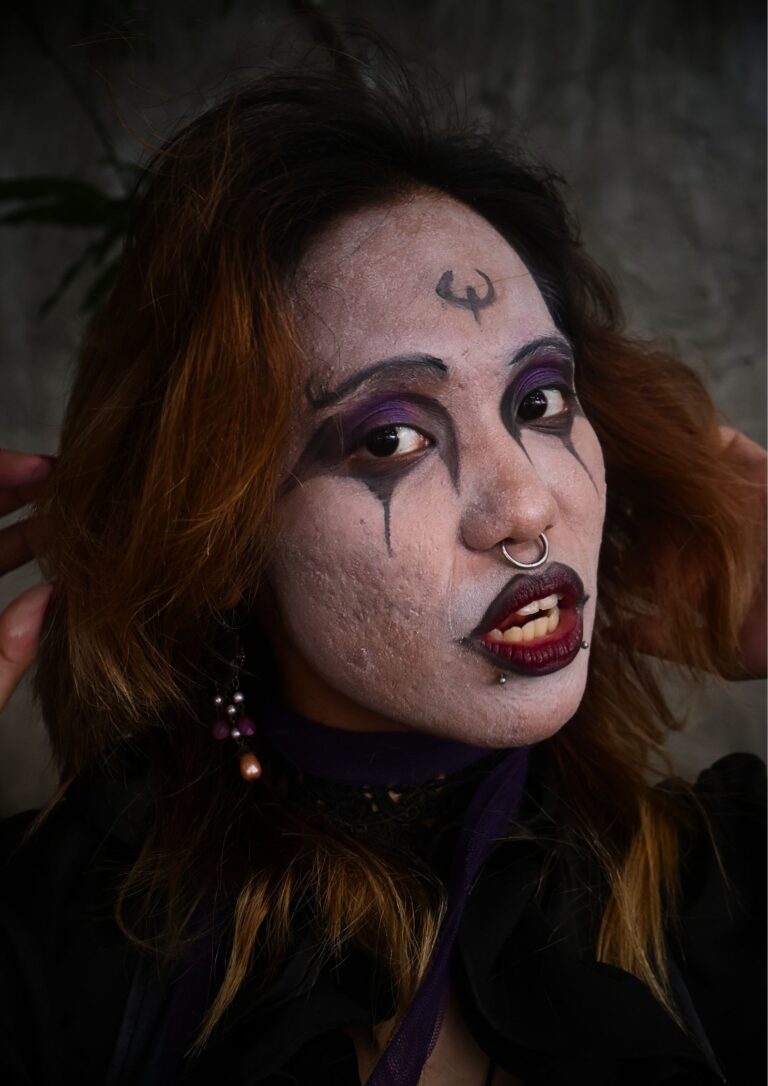
In a small studio in Manila, scraps of denim, memories, and remnants of old Halloween costumes, made from a curtain, another from newspaper, come together under the hands of a 20-year-old artist known as Kerosene. To them, fashion is more than just styling. It is language, performance, and protection. A way to create the kind of world that doesn’t yet exist.
“Fashion is liberating. It is big in my gender expression as a transmasc. It’s affirming.”
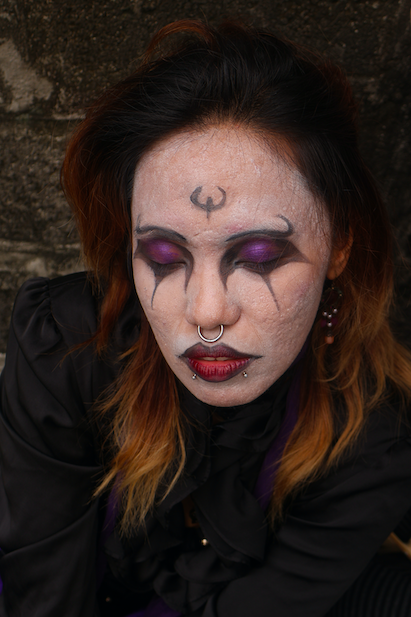
They are a designer, drag performer, and full-time student. They study communication arts at De La Salle University, design at SoFA, and everything else, like digital moodboarding, garment reconstruction, and visual storytelling, through self-study. What they build is not just aesthetic, but emotional. Their work speaks to the queer Filipino alt community they are part of and creating for.
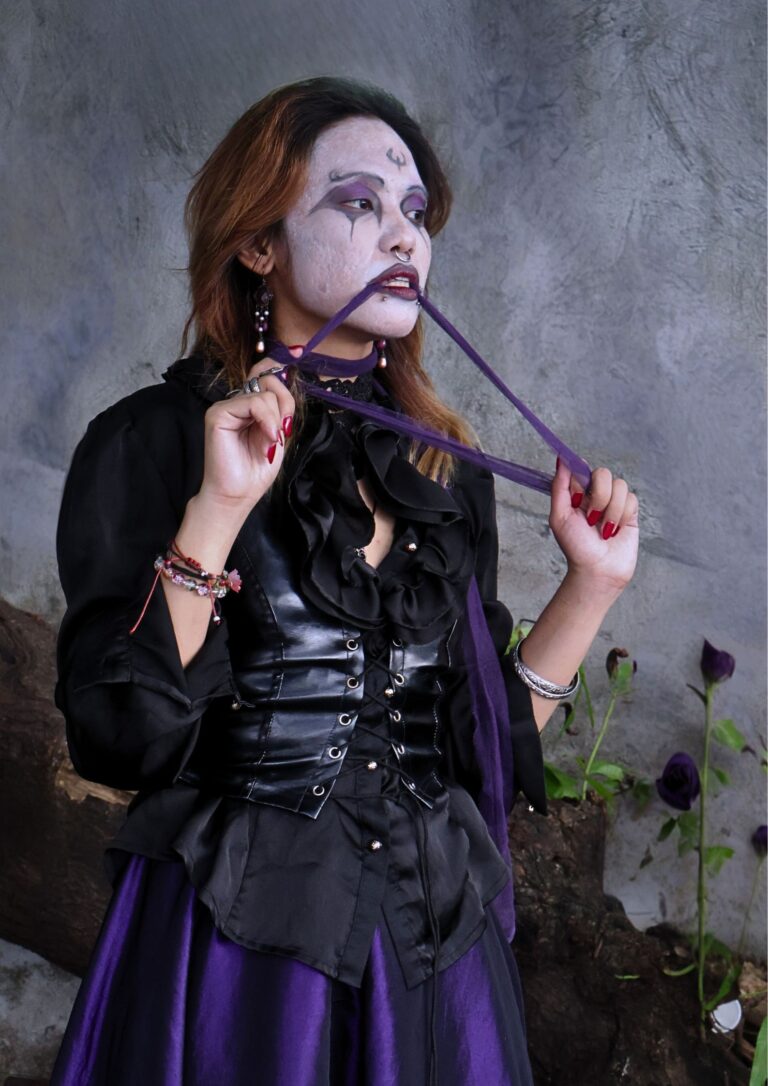
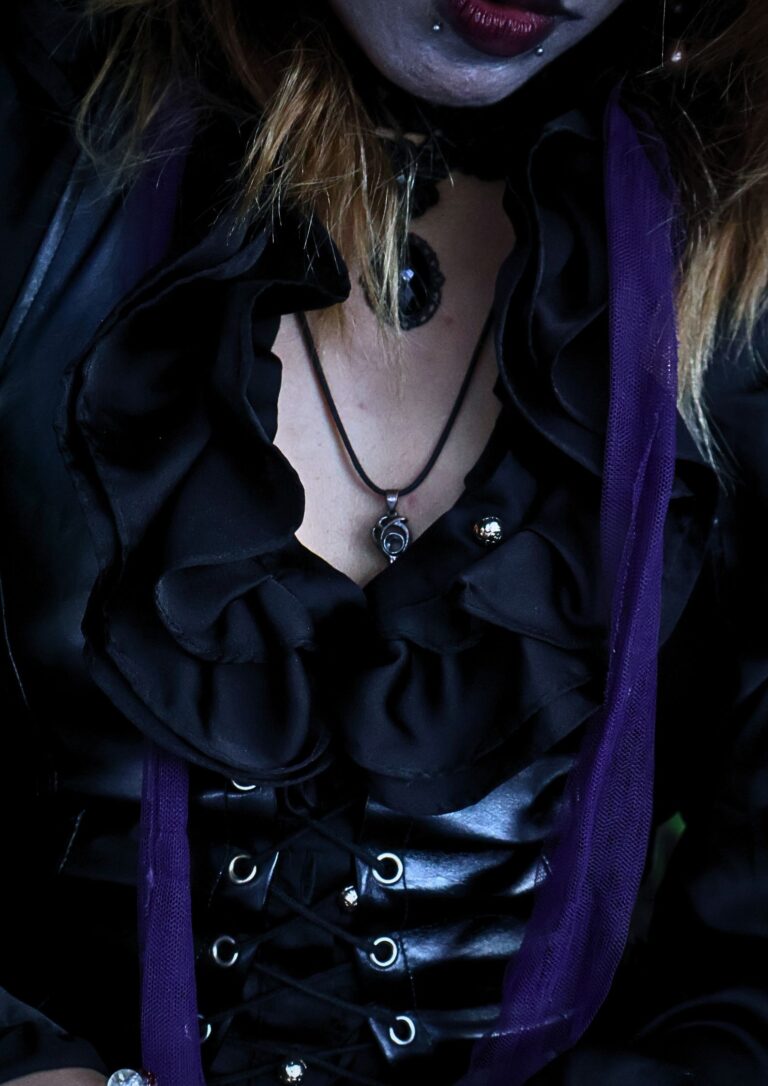
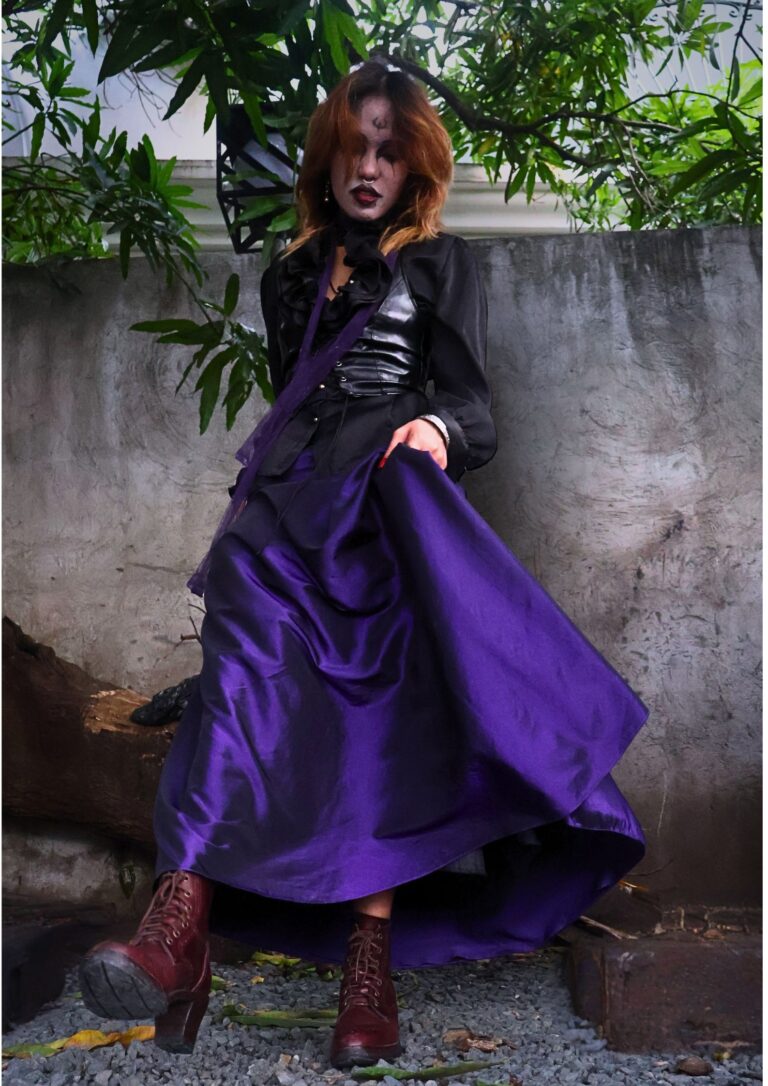
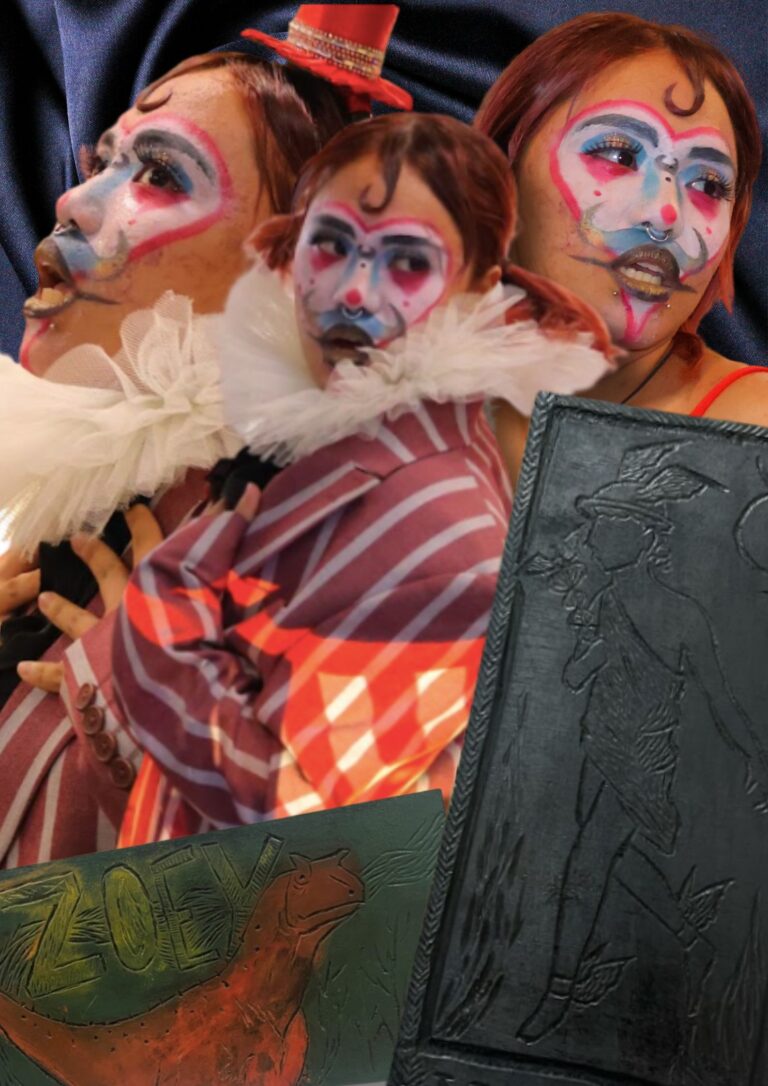
Kerosene’s style refuses to settle into one look. Romantic silhouettes meet punk accents. Occult references sit alongside burlesque drama. Aesthetic influences range from tarot cards to Dungeons & Dragons, all layered with personal history. Their fashion practice is intimate and theatrical, speaking softly one day, screaming the next.
They identify as transmasc, pansexual, polyamorous, and demiromantic. They use he and they. Growing up, queerness wasn’t something they planned to explain. It was just part of them. There was no singular coming-out moment. But there were moments of pushback, like the time someone read a private conversation with a girl and made it into something shameful. He remembers being scolded for simply liking who he liked.
Like many queer youth, he found escape and expression online. TikTok was an early platform for testing out looks, playing with makeup, and building confidence in front of a camera. At one point, they considered studying psychology and using that career to fund a fashion business. But their grandmother encouraged them to take a risk. Now fashion is not Plan B. It is the plan.
That leap has led them to carve a creative life outside of what’s available. They take commissions. They work with friends. They reuse what they already own. Their costumes have been made from curtains and newspapers. Their outfits are often hand-altered or thrifted, sourced from ukay bins and family closets. Their creativity is shaped not by abundance but by limitation, and that has made their voice more distinct.
This is more than thrift. It is a way of thinking. Sustainability, to them, is not about expensive eco-labels. It is about intention. It is about honoring the stories that materials already hold and giving them new life. It is about building something meaningful, even when resources are scarce, especially when they are.
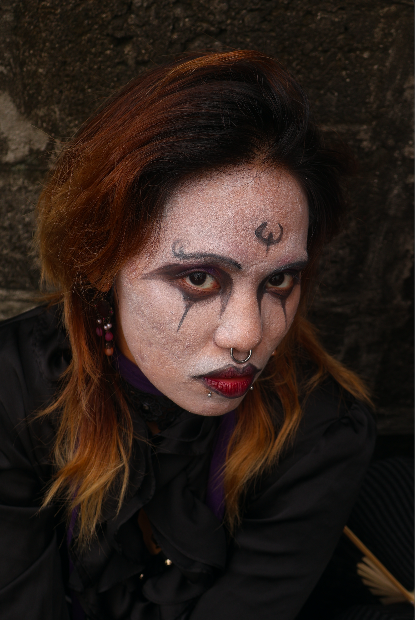
“Sustainability is not about expensive eco-labels. It is about intention. It is about honoring the stories that materials already hold and giving them new life. It is about building something meaningful, even when resources are scarce.”
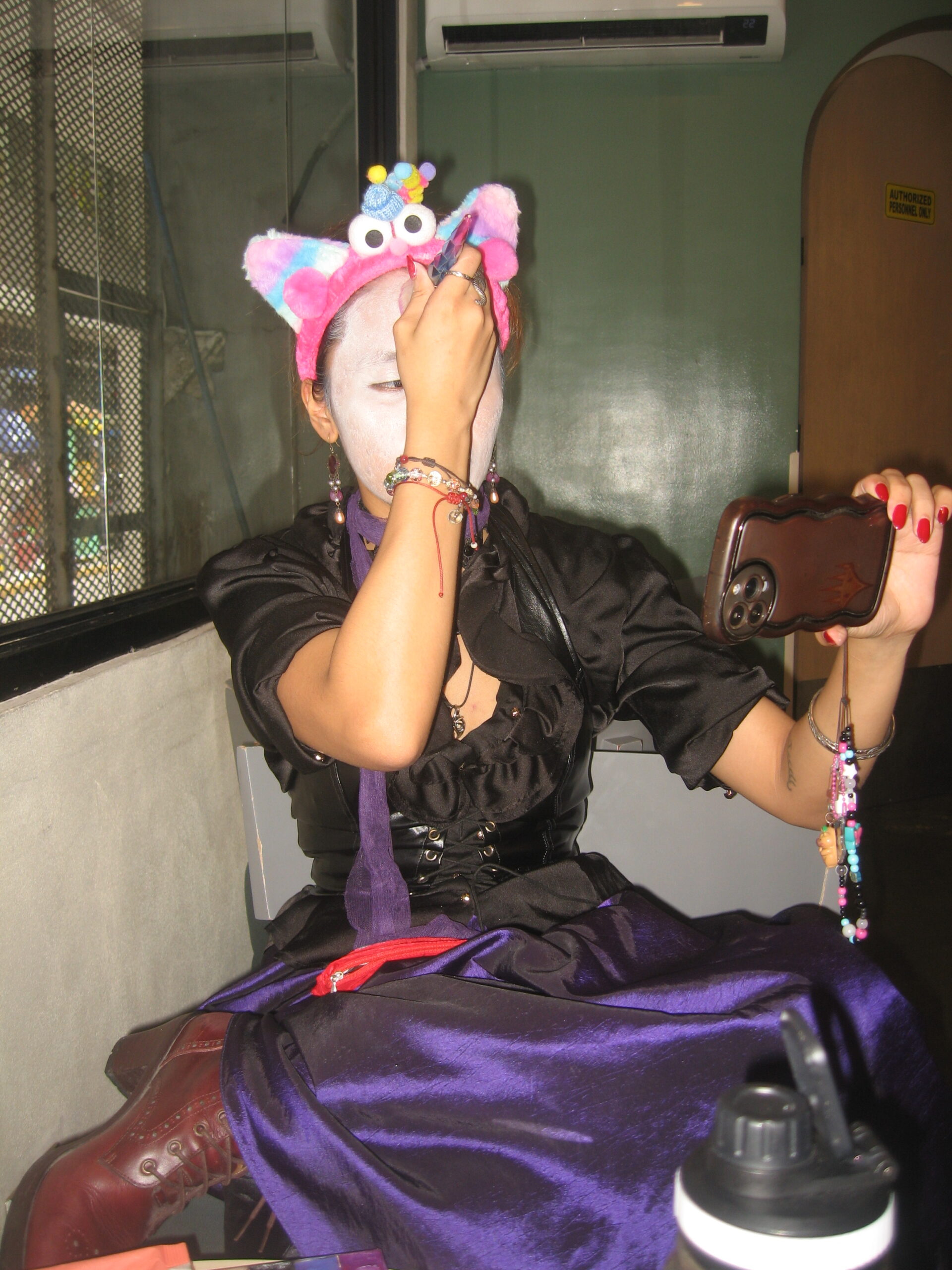
Fashion has also helped them navigate gender. Before they could articulate their identity, they could wear it. Clothes gave them a way to show who they were before they were ready to speak it. Outfits became characters. Looks became versions of themselves. This practice continues in their current project of Kerosene’s drag persona pertaining to the Cycle of Love, a deeply personal exploration inspired by Death of a Bachelor–era Panic! at the Disco. The concept is soft, theatrical, and romantic. A little heartbroken, but never cynical.
Their work is undeniably queer, but queerness is not the theme. It is the frame. They do not believe in forcing their identity into the spotlight. It simply exists within everything they make. Still, they recognize the politics of visibility. Their work is not just style. It is survival. In a world that often erases or misunderstands queerness, their art becomes a form of resistance.
They believe creative work can reach people before logic catches up. A look, a performance, or a post online can spark something: curiosity, recognition, or feeling. And that is what makes it powerful.
“Through art, I found a community that shares my identity. Fashion and creative expression become a way to connect, to speak before words can. It’s a form of communication that reaches people on a deeper level.”
If there is anything they hope their work leaves behind, it is the idea that art should be honest, it should feel good. It should make space for softness, chaos, and real emotion. It should make room for people like them.
Kerosene is part of a growing generation of Filipino artists who are not waiting for approval. They are building alternative futures with what they have, from scraps, from storybooks, from the margins. They are not just reshaping fashion. They are reshaping who gets to belong in it.